The Military

After loosing in the race to space and amidst the largest strategical battle of the decade, the US was desperate for innovation. Eisenhower's ARPA (Advanced Research Projects Agency), which was formed shortly after Sputnik with the intention of developing technologies for use by the military, completely transformed the military, it's effects starting with it's '67 ARPANET proposal and still ongoing today.

Effect

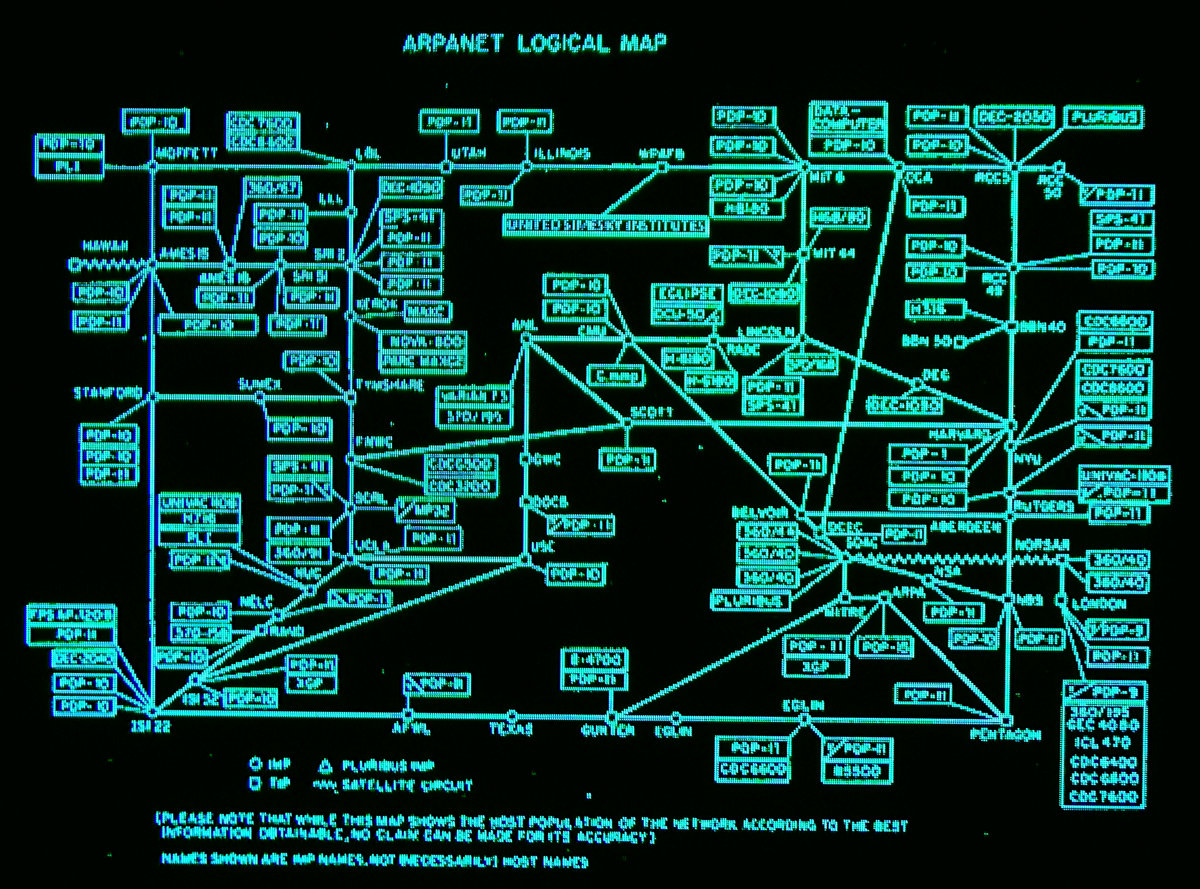
ARPANET was a new frontier for military technology, a pioneer so far ahead of the peer technologies of it's time that it seemed nearly otherworldly. The military was significantly impacted by ARPANET, which transformed information sharing and transformed military operations. It pioneered a robust and decentralized network that improved the military's capacity for the swift and secure sharing of vital information. ARPANET allowed a method to command/control operations so as to have them be more efficient, and allow real-time coordination and decision-making across separate units.The secure military networks and protocols that were developed as a result of this network are still in use today ARPANET served as the basis for the building of sophisticated military communication systems.ARPANET also sped up the development of technologies that are now crucial to contemporary military operations, like data transmission, cybersecurity, and encryption. Overall, ARPANET significantly changed military communication, strengthened military capabilities, and eventually shaped the way military is conducted in a new digital age.

ARPANET

Purpose for Creation

arpanet inspired

Military Use of Internet

MILNET/ARPANET

Widespread Usage

ARPANET

Management Study

"[Arpanet created because of] The need to develop alternatives for military communication systems having lower cost, lower delay and higher bandwidth capabilities than those currently in use, while still providing the end-to-end security and reliability needed"

The Arpanet And It's Impact on the

State of Networking

“We had a meeting with our subcontractor for hardware to present our complaint to them that nodes were down a half hour a day. Their reaction was, “You’re down a half hour out of 24. That’s about 2%. You’re getting 98% uptime..."
Previous Failures

ARPANET - Pioneer

In 1964, Paul Baran published On Distributed Communications, in which he critiqued then existing military communications design as a vulnerable, centralized telecommunications network. Diagrammed..."